
Monday, June 26, 2023

Laser Technology for Intravascular Blockage Vaporization: A Game-Changer in Cardiac Interventions in Nagpur

Laser Technology for Intravascular Blockage Vaporization: A Game-Changer in Cardiac Interventions in Nagpur

In a significant breakthrough in the field of cardiac interventions, Nagpur has embraced the implementation of cutting-edge laser technology to efficiently eliminate blockages within the heart's blood vessels. 

This revolutionary procedure offers a minimally invasive and highly precise approach to treating cardiovascular conditions, thus providing renewed hope for patients suffering from such ailments. This article delves into the details of this groundbreaking technique and its potential implications for the medical community in Nagpur.


Nagpur Introduces Laser Technology for Intravascular Blockage Vaporization: Nagpur, a prominent city in India, has witnessed the advent of an advanced medical procedure involving laser technology to target and vaporize intravascular blockages. This groundbreaking technique represents a significant departure from conventional treatment methods, which often necessitate invasive surgical procedures or reliance on medication alone.

The Procedure: The laser-based treatment begins with the insertion of a catheter into the affected blood vessel. Through precise guidance and imaging technologies, medical professionals direct the catheter to the site of the blockage. Once in position, a laser fiber is introduced through the catheter, enabling targeted delivery of laser energy directly to the affected area.

Working Principle: The laser emits high-energy beams that interact with the accumulated plaque, thrombus, or other obstructions within the blood vessel. The intense thermal energy generated by the laser effectively vaporizes the blockage, thereby restoring normal blood flow and eliminating the risks associated with reduced circulation. The controlled and accurate nature of the laser technology ensures minimal damage to the surrounding healthy tissue, optimizing patient safety and recovery.

Benefits of Laser-based Intravascular Blockage Vaporization: This novel technique offers several advantages over conventional treatment methods. Firstly, it is a minimally invasive procedure that significantly reduces the need for open-heart surgery, thereby minimizing associated risks, complications, and recovery time. Moreover, laser-based treatment is highly precise, enabling healthcare professionals to target specific areas affected by blockages without causing unnecessary damage to healthy tissues. The procedure's ability to swiftly restore normal blood flow also promotes enhanced cardiac function and alleviates symptoms experienced by patients, ultimately improving their overall quality of life.

The Future of Laser Technology in Cardiac Interventions: The introduction of laser technology for intravascular blockage vaporization in Nagpur represents a major step forward in the field of cardiac interventions. This groundbreaking technique has the potential to revolutionize the way cardiovascular conditions are treated, not only in Nagpur but also worldwide. The minimally invasive nature of the procedure, coupled with its high precision and efficacy, makes it a promising avenue for medical advancements.

The adoption of laser technology for intravascular blockage vaporization in Nagpur heralds a new era in cardiac interventions. This innovative approach offers a minimally invasive and highly precise alternative to conventional treatment methods, significantly enhancing patient outcomes and quality of life. As medical professionals continue to explore and refine this groundbreaking technique, it is anticipated that laser-based interventions will become increasingly commonplace, revolutionizing cardiovascular healthcare on a global scale.

Monday, June 19, 2023

June 21 International Yoga day -10 Benefits of Yoga for Physical Strength, Mental Clarity, and Emotional Well-being

 Yoga, an ancient practice originating in India, has gained immense popularity worldwide for its numerous physical, mental, and emotional benefits. This article delves into the multifaceted advantages of incorporating yoga into one's lifestyle, supported by scientific evidence and expert opinions.


Enhances Physical Strength and Flexibility: Regular practice of yoga promotes the development of core strength, flexibility, and balance. By engaging in various poses and asanas, individuals can cultivate a strong and supple body, leading to improved posture, increased muscle tone, and enhanced overall physical performance.


Promotes Stress Reduction and Emotional Well-being: The integration of breathing techniques, meditation, and mindfulness in yoga fosters a deep sense of relaxation and tranquility. Studies have shown that practicing yoga can reduce stress, anxiety, and depression while enhancing emotional well-being and promoting a positive outlook on life.


Boosts Cardiovascular Health: Engaging in dynamic forms of yoga, such as Vinyasa or Power Yoga, elevates heart rate and enhances cardiovascular endurance. Regular practice can help lower blood pressure, improve blood circulation, and reduce the risk of cardiovascular diseases.


Improves Respiratory Function: Yoga incorporates various breathing exercises, known as pranayama, which emphasize conscious control of breath. These techniques enhance lung capacity, improve respiratory efficiency, and aid in managing conditions such as asthma.


Enhances Mental Clarity and Focus: The combination of physical movement, breath control, and mindfulness in yoga cultivates mental clarity, concentration, and focus. This heightened cognitive function can positively impact daily productivity, decision-making abilities, and overall mental performance.


Increases Body Awareness and Mind-Body Connection: Yoga emphasizes the connection between the body, mind, and breath. Regular practice enhances body awareness, allowing individuals to better understand and respond to their physical and emotional needs. This awareness translates into improved self-care and a deeper understanding of one's overall well-being.


Facilitates Better Sleep: Practicing yoga before bedtime can help individuals unwind, relax, and promote a restful night's sleep. The incorporation of gentle stretches and relaxation techniques prepares the body for deep relaxation, leading to improved sleep quality and duration.


Supports Weight Management: Yoga can play a supportive role in weight management efforts. The physical practice of yoga burns calories, tones muscles, and increases metabolism. Additionally, yoga promotes mindful eating habits, self-acceptance, and a positive body image, which can aid in maintaining a healthy weight.


Cultivates Mindfulness and Self-Acceptance: Yoga encourages individuals to cultivate mindfulness, self-compassion, and acceptance of oneself and others. Through the practice of non-judgment and self-awareness, yoga fosters a positive body image, self-confidence, and a greater sense of self-acceptance and gratitude.

The numerous benefits of yoga extend beyond physical fitness, encompassing mental and emotional well-being. Incorporating yoga into one's routine has the potential to enhance strength, flexibility, and cardiovascular health, while reducing stress, improving sleep, and promoting self-awareness and acceptance. By embracing this ancient practice, individuals can embark on a transformative journey toward holistic well-being

Wednesday, June 14, 2023

Diabetes tablet with metformin reduces calcium absorption in the body ?

There is limited evidence to suggest that metformin, a medication commonly used to treat type 2 diabetes, may have a modest effect on reducing calcium absorption in some individuals. However, the exact mechanisms and clinical significance of this potential interaction are not fully understood.

Some studies have indicated that metformin may decrease calcium absorption in the intestines, potentially leading to lower levels of calcium in the body. However, these findings are not consistently observed across all studies, and the impact of this effect on overall calcium balance and health outcomes is still a subject of ongoing research.

If you are taking metformin and have concerns about its potential effects on calcium absorption, it is important to discuss them with your healthcare provider. They can provide personalized advice and may recommend strategies to maintain adequate calcium levels, such as adjusting your diet or considering calcium supplements if necessary.To read more click here 

Friday, June 9, 2023

Lancet Survey Highlights Alarming Prevalence of Diabetes and Hypertension in India

 India: A recent Lancet survey has shed light on the escalating prevalence of diabetes and hypertension in India, painting a concerning picture of the nation's health landscape. The study underscores the urgent need for comprehensive interventions and public health initiatives to mitigate the growing burden of these non-communicable diseases (NCDs) on the Indian population.

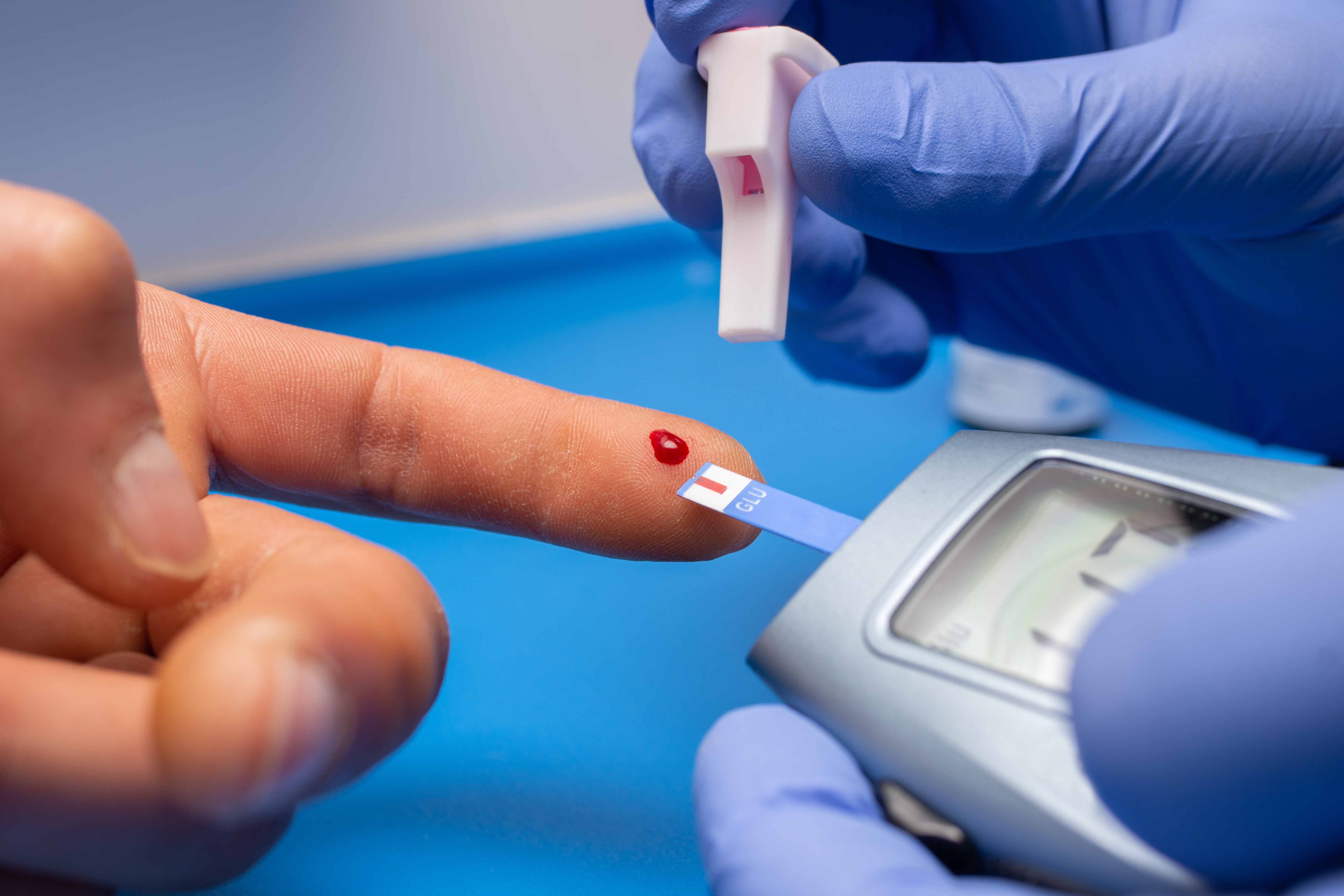
Pic courtesy:free pik

Diabetes:According to the International Diabetes Federation, India had an estimated 77 million adults living with diabetes in 2019, which is projected to increase to 101.2 million by 2030.
The Indian Council of Medical Research (ICMR) reported that the prevalence of diabetes in urban areas of India was around 16.9% in 2019.
The Diabetes Atlas by the International Diabetes Federation states that India had the second-highest number of individuals with diabetes globally in 2019.

Hypertension:The Indian Heart Association conducted a study that estimated around 30% of India's population, or approximately 350 million people, suffer from hypertension.
The National Family Health Survey (NFHS-4) conducted between 2015 and 2016 indicated that the prevalence of hypertension among adults in India was approximately 25%.

According to the Lancet survey, India has witnessed a significant rise in diabetes and hypertension cases over the past decade, with a substantial proportion of the population affected by these conditions. The findings emphasize the necessity for targeted strategies to address risk factors, improve awareness, and enhance access to quality healthcare services.

The survey indicates that diabetes, a metabolic disorder characterized by high blood glucose levels, has become a pressing public health concern in India. Alarmingly, the study reveals a rise in the prevalence of diabetes across various age groups, affecting both urban and rural populations. This trend underscores the need for effective preventive measures, early detection, and management of the disease.


In parallel, hypertension, commonly known as high blood pressure, has emerged as a significant health challenge in India. The survey highlights the escalating rates of hypertension, particularly among middle-aged and elderly individuals. Given the potential complications associated with uncontrolled hypertension, such as cardiovascular diseases, strokes, and kidney disorders, urgent interventions are required to curb the prevalence of this silent killer.

The Lancet survey serves as a wake-up call for policymakers, healthcare professionals, and stakeholders to prioritize the prevention and management of diabetes and hypertension. Effective health promotion campaigns, lifestyle modification programs, and community-based interventions should be implemented to raise awareness about the importance of healthy living, regular screenings, and adherence to prescribed treatments.
Pic courtesy Freepik
Furthermore, the survey emphasizes the need for strengthening healthcare infrastructure and improving access to quality healthcare services, especially in underserved areas. Investing in robust primary healthcare systems, equipped with skilled healthcare providers and diagnostic facilities, will play a crucial role in early diagnosis and effective management of diabetes and hypertension.

In conclusion, the Lancet survey highlights the alarming rates of diabetes and hypertension in India, necessitating immediate action and a multi-faceted approach to combat these NCDs. By implementing evidence-based interventions, promoting healthy lifestyles, and ensuring equitable access to healthcare services, India can strive towards reducing the burden of diabetes and hypertension, and ultimately enhance the overall health and well-being of its population.

Thursday, June 8, 2023

Alarming Statistics Highlight the Burden of Diabetes in India

Diabetes has emerged as a significant health concern in India, affecting millions of people across the nation. The rising prevalence of diabetes in both urban and rural areas is a cause for alarm. This article aims to shed light on the latest statistics surrounding diabetes in India, emphasizing the urgent need for prevention, early diagnosis, and effective management of this chronic condition.Prevalence of Diabetes: According to the International Diabetes Federation (IDF), India is known as the "diabetes capital of the world." Here are some staggering statistics that underline the magnitude of the problem:
Image by wirestock in freepik

a) The total number of adults living with diabetes in India was estimated to be 87 million in 2019, and it is projected to rise to 151 million by 2045.

b) The prevalence of diabetes in adults (20-79 years) stands at around 10.8% in India. This figure is higher than the global average of 9.3%.

c) India accounts for approximately 17% of the global diabetes burden, with four Indian states—Uttar Pradesh, Bihar, West Bengal, and Madhya Pradesh—contributing significantly to this figure.Diabetes-related Mortality: Diabetes can lead to numerous complications and significantly increase the risk of premature death. Consider the following statistics on diabetes-related mortality in India:

a) In 2019, diabetes accounted for around 1.2 million deaths in India. This figure represents 10.8% of all deaths caused by the disease worldwide.

b) India witnesses an alarming 34% increase in diabetes-related deaths between 2000 and 2019.

c) The mortality rate due to diabetes is higher in urban areas (25.5 per 100,000 population) compared to rural areas (20.5 per 100,000 population).Economic Impact: Apart from the human toll, diabetes also exerts a significant economic burden on individuals, families, and the nation as a whole. Here are some statistics highlighting the economic impact of diabetes in India:

a) Diabetes-related healthcare expenditure in India was estimated to be approximately 8% of the total healthcare expenditure in 2019.

b) The direct cost of diabetes care in India was estimated to be USD 8 billion in 2019. This figure is projected to increase to USD 16.7 billion by 2045.

c) Indirect costs, including loss of productivity and reduced earning capacity, contribute significantly to the economic burden of diabetes in the country.Risk Factors and Awareness: Understanding the risk factors associated with diabetes is crucial for prevention and early intervention. Consider the following statistics:

a) Obesity is a significant risk factor for diabetes. In India, the prevalence of obesity among adults is around 19.3%, and it is higher in urban areas (27.4%) compared to rural areas (15.6%).

b) Lack of physical activity is another contributing factor. Only 6% of the Indian population engages in regular physical exercise.

c) Despite the rising prevalence, awareness about diabetes remains relatively low. A survey conducted in 2018 indicated that only 38% of people in urban areas and 21% in rural areas had heard about diabetes.

The statistics surrounding diabetes in India paint a worrisome picture. The rising prevalence, high mortality rate, economic burden, and low awareness highlight the urgent need for comprehensive strategies to tackle this epidemic. Diabetes prevention programs, improved access to healthcare, and increased awareness are crucial steps towards mitigating the burden of diabetes and improving the overall health of the nation. Efforts at both the individual and societal levels are essential to curb the rising tide of diabetes in India.

Wednesday, May 31, 2023

Guduchi / Giloy wont damage Liver :Ministry of Ayush

                       Guduchi is safe and does not produce any toxic effects

It is misleading to relate Guduchi to liver damage

New Delhi : Certain sections of the media have falsely linked again Giloy/Guduchi to liver damage. The Ministry of Ayush reiterates that Giloy/Gudduchi (Tinospora cordifolia) is safe and as per available data, Guduchi does not produce any toxic effect.

Front Runner India

In Ayurveda, it is said to be the best rejuvenating herb. Acute toxicity studies of aqueous extract of Guduchi reports that it does not produce any toxic effect. However, the safety of a drug depends on how it is being used. Dosage is one of the important factors that determine the safety of a particular drug. In a study, lower concentration of Guduchi powder is found to increase the life span of fruit flies (Drosophila Melanogaster). At the same time, higher concentration progressively reduced the life span of flies. This clearly indicates that an optimum dosage should be maintained in order to get the desired effects. This infers that the medicinal herb has to be used in an appropriate dose as prescribed by a qualified physician to get medicinal effects. With the wide range of actions and abundant components, Guduchi is a real treasure among herbal drug source.  Medicinal applications of Guduchi in countering various disorders and it's use as anti-oxidant, anti-hyperglycemic, anti-hyperlipidemic, hepatoprotective, cardiovascular protective, neuroprotective, osteoprotective, radioprotective, anti-anxiety, adaptogenic, analgesic, anti-inflammatory, anti-pyretic, anti-diarrheal, anti-ulcer, anti-microbial, and anti-cancer have been well established.


A special focus has been made on its health benefits in treating various metabolic disorders and its potential as an immune booster. It is used as a major component of therapeutics for ameliorating metabolic, endocrinal, and several other ailments, aiding in the betterment of human life expectancy. It is a popularly known herb for its immense therapeutic applications in traditional systems of medicine and has been used in the management of COVID-19. Considering the overall health benefits, the herb cannot be claimed to be toxic.

Amniotic Fluid Leak –The Growing Threat in Pregnant Women

 Every year approx 13 million premature babies are born worldwide out of which almost 11 million are born in Africa and Asia. In 2005, WHO estimated that 12.9 million births, or 9.6 per cent of all births worldwide, were preterm. An average of 10 % of births worldwide occur before 37 weeks gestation and an estimated 28% of the 4 million annual neo-natal deaths are due to pre-term births. However, this rate ranges between 3.8 % for countries in central Asia and 17.5 per cent in southern Africa. In fact, Amniotic Fluid Leak is one of the major causes of Pre-term delivery.

Amniotic Fluid Leak is the most commonly faced problem by pregnant women. If not treated on time, could pose a serious threat to both mother and baby. Amniotic fluid is the baby’s ‘Life Support System’ along with Placenta and Umbilical Cord. It is the liquid that protects the baby and aids in the development of muscles, limbs, lungs and digestive system. This fluid is generated soon after the Amniotic sac is formed i.e. about 12 days after conception. However, initially the fluid is made up of water provided by mother but post 20 weeks into pregnancy; it primarily forms into fetal urine. Amniotic fluid not only facilitates the growing baby’s movement in the womb but also enables the baby to breathe and swallow the liquid in the second semester. Furthermore, Amniotic fluid levels increases regularly until about 32-33 weeks gestation, and then they level off. In some cases the Amniotic fluid may measure too low i.e. Oligohydramnios or too high i.e. Polydramnios. A normal fluid level ranges about 800-1000 ml and may vary.
The Amniotic Sac grows and begins to fill, mainly with water, approx two weeks after fertilization; 10 weeks later the liquid comprises of proteins, carbohydrates, lipids and phospholipids, urea and electrolytes, all of which aids in the fetus growth. Amniotic fluid is produced by exudation of fluid through the skin of the fetus until 14th week of pregnancy at which point keratinization of skin occurs. During weeks 8–11, the fetus begins to swallow and urinate, which is why the Amniotic fluid contains fetal urine in the later stages of gestation. Furthermore, the volume of Amniotic fluid increases as the fetus grows. The amount of Amniotic fluid is greatest approx 34 weeks after conception or 34 weeks ga (gestational age). At 34 weeks ga, the amount of Amniotic fluid is approx 800 ml. The amount of fluid declines to roughly 600 ml at 40 weeks ga, which is usually when the baby is born.
Complications of Pregnancy
Complications of Pregnancy are health problems that occur during pregnancy which could involve the mother's health, the baby's health, or both. Some women have health problems before they become pregnant that could lead to complications and other issues arise during pregnancy. One of the most commonly ignored problems among pregnant women is Amniotic Leak.
The forewaters i.e. bag of water in front of baby’s head are released when the amnion ruptures. This is commonly known as the time when a woman's "water breaks". When this occurs during labour at term, it is known as "spontaneous rupture of membranes" (SROM). If the rupture precedes labour at term, however, it is referred to as "premature rupture of membranes" (PROM). The majority of the hindwaters i.e. bag of water around the body remain inside the womb until the baby is born. Artificial rupture of membrane (ARM), a manual rupture of the Amniotic sac, can also be performed to release the fluid if the amnion has not spontaneously ruptured.
Amniotic fluid leakages can cause severe complications and therefore it is imperative that the expectant mother receives medical guidance and the proper treatment. However, there are times, when the Amniotic sac may develop a tear or may rupture causing the Amniotic fluid to leak before term. When this occurs 37 – 38 weeks before term, it is referred to as ‘Preterm Premature Rupture of Membrane’ or PPROM.
When either of these cases occurs, the fluid either gushes or leaks out in a continuous trickle resembling a discharge. When premature rupture of the Amniotic sac occurs, it is necessary to determine the cause of the leaking Amniotic fluid. However, if the leaking Amniotic fluid is a result of a severe rupture of the membranes of the Amniotic sac, then labor may begin within 48 hours. When this happens, the mother-to-be must receive treatment in order to avoid causing an infection to the fetus.
But, this is easier said than done especially when the leak is occurring at unearthly hours like midnight. Over time, innovation in science and developments in technology may provide an easy solution to such a potential problem, enabling both the affected patient and the doctor to breathe easy.
Factors Causing Amniotic Fluid Leak –
- A bacterial infection, an injury or trauma or a defect in the Amniotic sac can trigger off this problem including amniocentesis, which is a specialized test that involves taking a sample of Amniotic fluid through a needle from the womb and examining it in the laboratory to check for congenital abnormalities.
- Depending on the severity of the problem, there may be excessive discharge of fluid or a slight trickle.
- This is a serious problem that needs to be addressed as soon as possible as this may cause Oligohydramnios or low levels of Amniotic fluid which in turn increases the chances of a premature delivery.
- Moreover a tear in the Amniotic sac can cause infection in fetus within 24 hours of such a leak.
- The growth of the fetus can also be restricted especially if the tear happens early in pregnancy.
- Stress and other psychological issues could act as a precipitating factor towards the leak.
- Sometimes the tear is quite insignificant and will heal itself after a couple of days.
Detection & Diagnostics –
A general rule of thumb to identify Amniotic Fluid Leak is to ask the mother-to-be to lie down for 30 minutes and once she sits up, there is a gush that occur it may be the result of the broken water bag. There is no other way for a pregnant woman to detect Amniotic fluid leak especially if it is a small one. Moreover in certain cases of pregnancy especially in the last trimester, a woman may have excessive vaginal discharge. This could be urine, the cervical mucus or a combination of both. Hence it is extremely imperative to ascertain the cause of the wetness and evade any confusion to be sure and safer. Thus, routine monitoring of Amniotic Fluid level should be mandatory for preventing pre-term delivery.

Some Remedial Steps to be taken once the leak has been detected –
- In minor leaks, especially if the patient is dilated, the fluid would continue to leak out, even if the patient is up and moving around. It wouldn't be only some nights and only at night but all nights and day long.
- It is important that the attending Doctor is consulted as soon as possible to discern the actual nature of discharge as the Doctor alone is empowered with various options to ascertain the cause of the fluid leak.
Currently there is no non-invasive method available to detect the Amniotic fluid leak. Due to lack of any accurate method available, most commonly, Urine leakage may be mistaken for Amniotic leak. 60% of such complaints are usually false alarm and may cause paranoia in the patient and the family. The best thing to do in such a scenario is to consult your doctor immediately.

- Authored Article by
Dr. B. K. Iyer
Family Physician, Mumbai  

10 genius hacks to keep your home cool without breaking a sweat. 🔆🌿 #CoolLiving #SummerHacks"

 Keeping your house cool in the summer without relying on air conditioning can be both energy-efficient and environmentally friendly. Here a...